
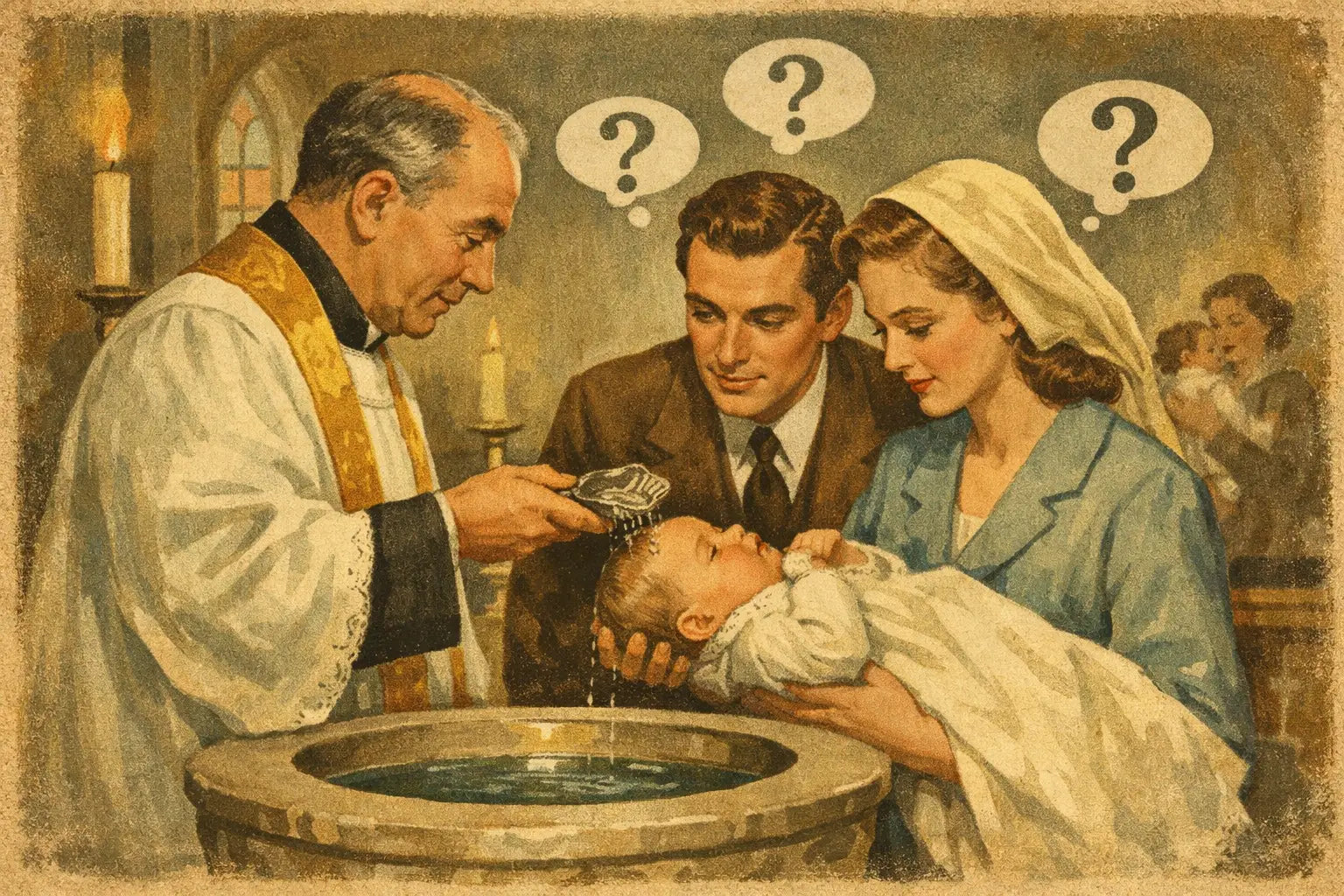
A christening day can feel wonderfully simple in photographs: a baby in white, proud family members, a candle glowing near the altar. Before that moment arrives, though, many parents find themselves sorting through christening ceremony questions about church expectations, godparents, attire, and what to bring. The good news is that you do not need to know every custom before you begin. A little preparation allows you to focus on the faith, family, and quiet joy of that special day.
When should we schedule a christening?
There is no single right age for a baby’s christening. Some families plan the ceremony within the first few months, while others wait until travel, recovery, family schedules, or a meaningful church date makes gathering easier. Your church may have its own guidelines, including classes for parents and godparents or specific dates when baptisms are held.
Call the church early, especially if you hope to celebrate around Easter, Christmas, or another busy season. Asking about available dates first can shape the rest of your planning, from invitations to the outfit you choose. If your baby is older, do not assume you have missed the ideal window. A baptism remains a beautiful beginning in faith at any age, and the church can explain the appropriate process.
What is the difference between a christening and a baptism?
Families often use the words interchangeably, and in many communities they refer to the same celebration. Baptism is the sacrament or religious rite in which the child is welcomed into the Christian faith, often through water and prayer. Christening may describe the broader ceremony and family celebration surrounding it.
The exact language and customs depend on your denomination. In some traditions, the child may also be formally given or affirmed by name during the service. Rather than relying on a general definition, ask your clergy member how your church uses these terms. That small conversation helps ensure that your programs, invitations, and family expectations feel respectful and accurate.
Do we need godparents, and who should we choose?
Godparents are often chosen for their close relationship with the child and their willingness to support the child’s spiritual life. They may stand with the parents during the ceremony, make promises of faith, hold the baby, or take part in readings. The role can be deeply meaningful, but its formal requirements vary widely by church.
Some churches require godparents to be baptized or confirmed members of a Christian denomination. Others ask for one practicing Catholic godparent, for example, while allowing another loved one to serve as a Christian witness. A beloved aunt, uncle, sibling, or longtime friend may be perfect emotionally, yet not meet a particular church’s formal criteria. This is one of the christening ceremony questions best answered directly by the priest, pastor, or church office before you make promises or order keepsake items.
When you invite godparents, be clear about what the role means to your family. A heartfelt conversation is more meaningful than a grand gesture. Let them know whether you hope they will be present for milestones, pray for your child, share faith traditions, or simply remain a trusted, loving guide as your child grows.
What should a baby wear for the ceremony?
White is the enduring tradition because it represents purity, new life, and a fresh beginning in faith. A long christening gown offers a timeless, heirloom-inspired look for babies of any gender, while a tailored white or ivory romper, suit, or vest set can feel especially comfortable and polished for an active older baby.
Choose the outfit with the ceremony itself in mind, not only the photos. Churches can be cool, and babies may need a soft blanket, cardigan, or coordinating booties for warmth. Look for comfortable linings, gentle closures, and room for a diaper beneath the garment. If the baptism includes immersion or pouring water over the baby’s head, ask whether the church has practical guidance about headpieces, bonnets, or a change of clothes.
A handcrafted gown, delicate lace dress, or classic boys’ outfit becomes even more special when it coordinates with a candle, blanket, and small religious keepsake. Still, comfort matters. The most elegant choice is one that lets your child be held, fed, and soothed with ease.
Should the outfit be new?
Not necessarily. A new outfit can become a treasured heirloom, but a gown passed down through generations carries its own beautiful story. Inspect vintage pieces in advance for fragile lace, missing buttons, yellowing fabric, or a fit that may not suit your baby. Some families preserve the original garment for photographs and choose a newer piece for the service. There is room for both heritage and practicality.
What items do we need to bring?
Your church should provide a clear list, but it is wise to confirm details about a week before the ceremony. A baptismal candle is common in many traditions and symbolizes Christ’s light. The church may provide it, ask you to purchase one, or welcome a candle set chosen by the family. In some services, a white garment, towel, certificate information, or donation may also be requested.
Bring the essentials for the baby as well: diapers, wipes, a feeding bottle or nursing cover if needed, a pacifier, and a spare outfit. Keep these items in one small bag that a grandparent or godparent can reach easily. If you are bringing a special blanket, cross, medal, rosary, or family Bible, place it somewhere safe until the appropriate moment. Ceremonies move quickly when you are holding a baby, and having one person responsible for keepsakes can prevent unnecessary worry.
How formal should family attire be?
A christening is a sacred occasion, so polished, modest clothing is usually appropriate. Parents and godparents often choose dresses, dress pants, blouses, suits, or jackets in soft neutrals, pastels, navy, or other refined colors. You do not have to dress identically, but a gently coordinated palette creates lovely photographs without distracting from the baby.
Consider the church setting and the season. A formal cathedral service may call for more traditional attire than a small outdoor gathering. Avoid making the family dress code so strict that it creates stress for guests traveling with children. A simple note such as “church attire requested” is often enough.
Can we personalize the ceremony?
Many families hope to include a special reading, hymn, family prayer, or a mention of grandparents and loved ones. Some churches welcome these touches; others follow a set liturgy with limited changes. Ask early rather than assuming. Your clergy member can tell you what is possible and may suggest a meaningful way to honor your family within the service.
Personalization does not need to happen at the altar to be heartfelt. A handwritten note to your child, a framed photo with godparents, a candle saved in a memory box, or a blessing shared at the meal afterward can become part of your family tradition. These details often hold their meaning long after the day has passed.
What happens after the church service?
The celebration afterward can be as simple or elaborate as your family prefers. A brunch, lunch at home, cake and coffee, or a small restaurant gathering all give loved ones time to celebrate the child’s welcome into the faith community. Plan around the baby’s nap and feeding schedule where possible. A shorter gathering with calm, happy parents is often more memorable than an overplanned event.
If you are giving godparents a gift, religious jewelry, a framed blessing, or a personalized keepsake can recognize the promise they have made. You might also save a portion of the christening outfit, the candle, and a few photographs together for your child to discover later.
The most reassuring answer to many planning worries is this: a christening does not have to be perfect to be profound. Ask your church for guidance, choose details that honor your family’s faith, and leave room for the small unscripted moments - a sleepy yawn, a godparent’s smile, a grandparent’s proud tears - that make the day truly yours.
Share:
A Baptism Etiquette Guide for Families and Guests
Best Christening Blankets for Babies to Treasure