
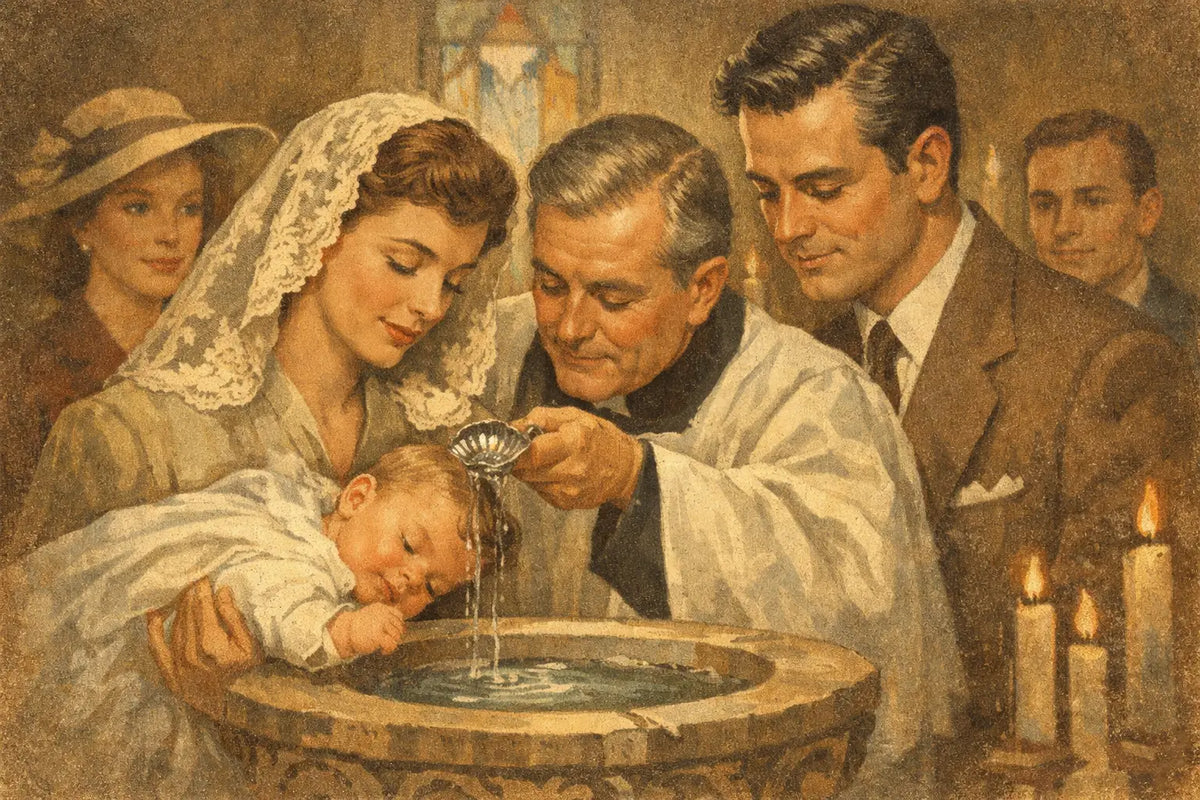
A baby’s baptism is often one of the first times a family gathers to celebrate a child’s spiritual life. There may be a cherished heirloom gown, a candle waiting to be lit, grandparents holding back happy tears, and parents quietly hoping every detail feels right. This baptism etiquette guide offers a thoughtful starting point for families and guests who want to honor the sacrament with warmth, respect, and confidence.
While many customs are shared across Christian traditions, each church and denomination may have its own expectations. A brief conversation with the parish office or clergy member is always the best way to confirm ceremony details, photography policies, and any requirements for godparents.
Baptism Etiquette Guide for Parents
For parents, baptism etiquette begins with preparation that respects both the church and the meaning of the day. Baptism is not simply a beautiful family occasion. It is a sacred welcome into the faith community, and planning with that purpose in mind helps the celebration feel peaceful rather than rushed.
Confirm the church’s requirements early
Some churches ask parents to attend a preparation class, provide a copy of the child’s birth certificate, or choose godparents who meet particular faith requirements. Catholic parishes, for example, commonly require at least one baptized and confirmed Catholic godparent who intends to support the child’s faith journey. Other Christian traditions may use different terms, such as sponsors, or have more flexible guidelines.
Ask about the date, arrival time, expected length of the service, and where your family should sit. It is also wise to ask whether the child will be fully immersed, have water poured over the head, or receive a lighter sprinkling. That detail can affect how you style your baby’s hair and whether you bring a simple towel or extra wrap for comfort afterward.
Choose attire that is reverent and comfortable
White remains the traditional color for baptism because it symbolizes purity, new life, and faith. A long christening gown, white dress, tailored romper, or formal outfit can all be appropriate, depending on family tradition and the church’s customs. What matters most is that the child is comfortable enough to be held, changed, and soothed during the service.
For a formal gown or suit, consider what will be worn underneath. Soft cotton layers, a comfortable diaper cover, and baby shoes or booties that stay secure can make a meaningful difference. If the ceremony falls during a colder season, a coordinating blanket, cardigan, or shawl keeps the look polished while helping the baby stay warm.
Parents often choose an outfit with handmade detail or a keepsake-quality finish because baptism clothing may be saved for future siblings, displayed in a memory box, or passed through generations. There is no rule that says an heirloom piece is required, though. A thoughtfully chosen new outfit can become an heirloom from that special day.
Bring the ceremonial pieces with intention
The church may supply some items, but it is helpful to confirm what your family should bring. A baptism candle is often lit from the Paschal candle as a sign of Christ’s light. A white garment may be presented during the rite, although many families incorporate that symbolism through the baby’s christening outfit. In some traditions, a cross, medal, or rosary may be given as a gift.
Keep important items together in a small bag: the outfit, a spare diaper, wipes, a burp cloth, a bottle or pacifier if needed, and the requested documents. If you plan to use a special blanket or candle set in photographs, bring it to the church even if it is not part of the formal rite.
Plan for the baby, not a perfect schedule
A baptism day can be busy, especially when relatives are visiting and photographs are planned. Feed and change your baby before leaving, but give yourself extra time. Babies do not always follow the plan, and no one expects them to.
If your child fusses during the service, remain calm. Step out briefly if needed, then return when the baby is settled. Most congregations understand that a little one’s voice is part of a celebration centered on new life.
Choosing and Honoring Godparents
Godparents hold a place of great affection and spiritual significance. Traditionally, they promise to help guide the child in faith alongside the parents. The role is not merely ceremonial, which is why choosing godparents deserves more thought than selecting who will look best in photos or who lives closest.
Choose people who will love your child, respect your family’s beliefs, and be present in a meaningful way over time. They might share faith traditions closely, or they may bring a steady, caring influence that grows as your child does. Church rules still matter, particularly when the baptism is taking place in a Catholic parish, so verify eligibility before making the invitation official.
Once chosen, give godparents the ceremony details early. Let them know whether they will be asked to stand near the font, make responses, attend a rehearsal, or bring a candle or other item. A baptism is also a lovely occasion for parents to offer godparents a small, personal thank-you gift, such as a framed photo, engraved keepsake, or handwritten note about why they were chosen.
What Guests Should Wear and Do
Guests do not need to dress as formally as the child, but baptism attire should reflect the setting. Church-appropriate clothing in refined, modest styles is a safe choice: dresses, skirts, blouses, slacks, button-down shirts, or jackets depending on the season and the family’s custom. Avoid overly casual clothing, clothing with distracting slogans, or anything likely to draw attention away from the sacrament.
Arrive a little early, especially if you have not visited the church before. Silence phones before entering, follow the congregation’s lead for standing or sitting, and save casual conversation for after the service. If you are unsure whether you may receive Communion, remain seated or follow the direction given by the clergy. Many churches welcome nonmembers to come forward for a blessing, while others ask them to remain in the pew.
Photography is one area where good intentions can create disruption. Some churches welcome a designated photographer; others ask guests to take photos only before or after the rite. Never step into the aisle, approach the baptismal font, or use a flash unless you have clear permission. The most meaningful images are not worth interrupting a sacred moment.
Gifts That Feel Meaningful, Not Excessive
A baptism gift does not need to be extravagant to be deeply appreciated. Traditional choices include a children’s Bible, a cross or religious medal, a keepsake box, a personalized blanket, or a contribution toward the child’s future. Godparents may choose a more personal faith-centered gift, while other guests may prefer a practical item from the parents’ registry if one is available.
Cash or a check is also entirely appropriate, particularly when the family has traveled for the occasion or is saving for the child’s future. If you give a religious keepsake, consider including a card that explains why you selected it. The story behind a gift often becomes part of its value.
For parents preparing a complete look, coordinating the gown or outfit with a blanket, shoes, candle set, and meaningful jewelry can create a graceful presentation without feeling overdone. Burbvus Christening understands that these pieces are more than accessories. They become part of the photographs, memories, and family traditions that remain long after the ceremony.
After the Ceremony: Celebrate With Care
A meal, coffee gathering, or small reception after baptism gives loved ones time to celebrate the child and congratulate the parents. Keep the scale appropriate to your family, budget, and baby’s temperament. A simple brunch with close relatives can feel every bit as special as a larger party.
Parents should thank the clergy, godparents, and guests who helped make the day possible. Guests, in turn, can offer their congratulations without lingering too long if the family is managing an overtired baby. If you received gifts, a sincere handwritten thank-you note remains a beautiful gesture, especially for religious or personalized keepsakes.
The loveliest baptism celebrations leave room for the real moments: a sleepy baby in a white gown, a godparent’s steady hand, and a family gathered in prayer. Let the details support that meaning, then allow the day to unfold with the grace it deserves.
Share:
Baptism Candle Reviews for a Meaningful Ceremony
Christening Ceremony Questions Parents Ask Most