
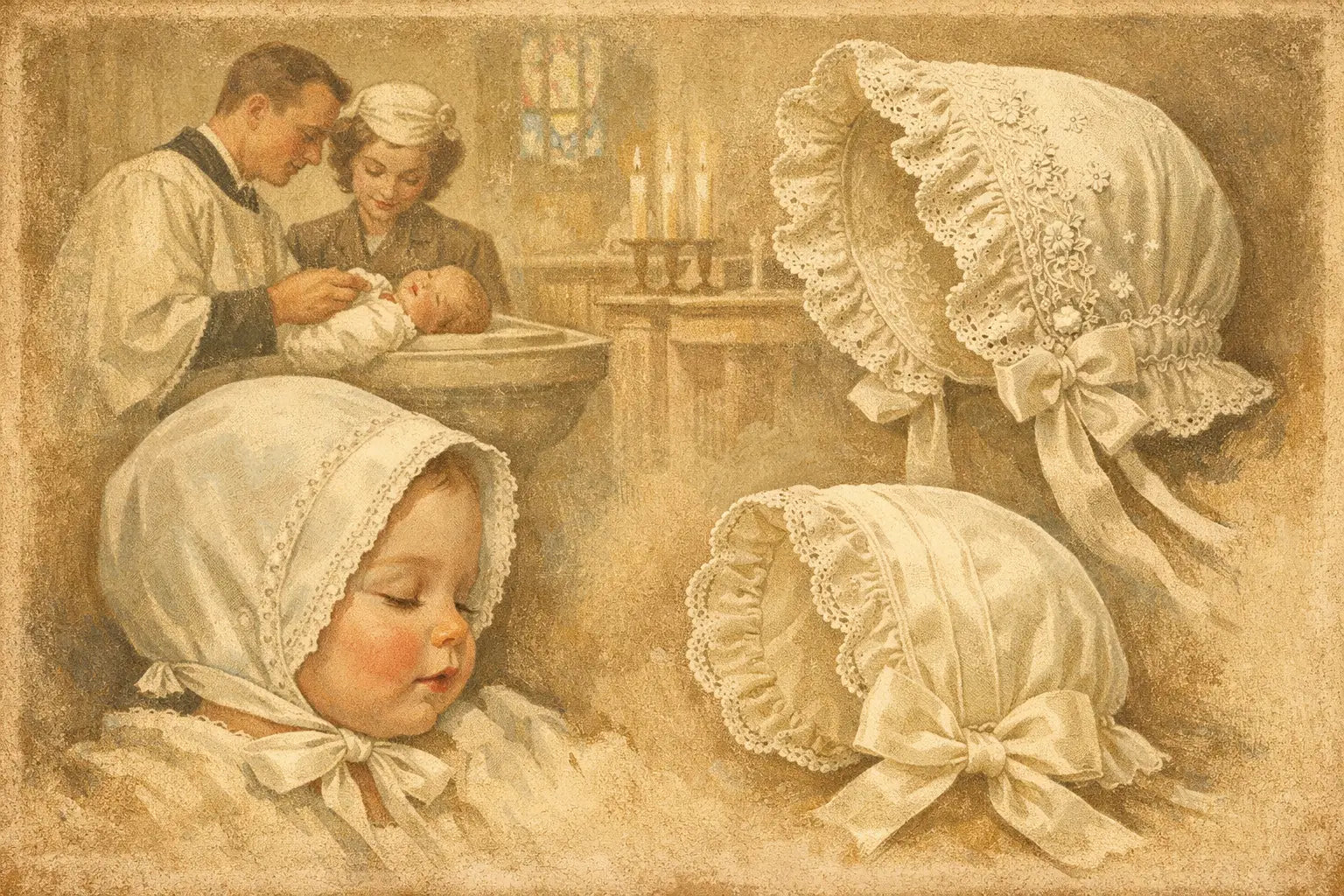
The smallest details often become the ones a family remembers most clearly: a baby’s sleepy profile beneath a lace edge, the soft ribbon tied under the chin, a bonnet saved carefully after the ceremony. Christening bonnet styles bring a graceful finishing touch to baptism attire, but they also carry a sense of tradition. The right choice should look lovely in photographs, coordinate with the outfit, and most of all, keep your little one comfortable through that special day.
Why a Christening Bonnet Still Matters
A christening bonnet is more than a charming accessory. For many families, it reflects the reverence of the occasion and completes the traditional white baptism look. White is associated with purity, new life, and the spiritual promise celebrated in baptism, while the bonnet frames a baby’s face with a gentle, timeless softness.
It can also become part of a family’s heirloom story. A carefully made bonnet may be tucked away with a christening gown, a candle, or a special blanket and later brought out for siblings, cousins, or the next generation. Not every family wants a formal heirloom piece, of course. A simple bonnet can be equally meaningful when it feels true to your child and your celebration.
The practical side matters, too. Church lighting, family photos, weather, and a baby’s temperament all influence whether a structured lace bonnet or a soft cotton style will feel best. There is no single correct choice - only the one that honors the day while working for your family.
Christening Bonnet Styles to Consider
Heirloom lace bonnets
Heirloom lace bonnets are the classic choice for a formal christening gown. Often finished with delicate lace trim, embroidery, pintucks, or satin ribbon, they pair beautifully with long gowns and dresses made for a traditional church ceremony. The detail is especially lovely in close photographs, where the texture of the lace complements the fine work of the gown.
Choose this style when the outfit has a similarly refined finish. A very ornate bonnet with an equally ornate gown can be beautiful, but it needs balance. If the gown features heavy embroidery, a bonnet with a simpler lace edge may let both pieces shine without making the overall look feel busy.
Ruffled and lace-trimmed bonnets
A ruffled bonnet offers a sweet, celebratory look without necessarily feeling as formal as a full heirloom lace design. Some styles have a soft ruffle framing the face, while others use lace only along the brim or back edge. These are a lovely match for baptism dresses, shorter ceremonial outfits, and outfits with subtle floral or scalloped details.
The trade-off is proportion. A wide ruffle can be especially photogenic, yet it may overpower a very small newborn’s face or compete with a petite dress. For a newborn or younger infant, a narrow ruffle or fine lace trim often creates the most balanced result.
Satin and silk-look bonnets
Satin bonnets create a polished, luminous finish that suits a more formal baptism celebration. Their smooth surface pairs naturally with satin-trimmed gowns, elegant shoes, and coordinated accessories such as a blanket or candle set. They can look especially striking for a winter christening or an indoor ceremony where the light is soft.
Because satin is less forgiving than cotton or knit fabric, fit becomes particularly important. Look for a bonnet that is gently lined and has a soft interior against the baby’s head. A satin style should feel special, never stiff or distracting during the service.
Soft cotton and linen-inspired bonnets
For a warm-weather baptism, a simple cotton bonnet is often a thoughtful choice. It offers a clean, traditional appearance with a lighter feel, making it easier for babies to stay comfortable during a spring or summer ceremony. Cotton bonnets can still feel elegant when finished with a small lace panel, embroidered detail, or a neatly tied ribbon.
This style works beautifully with lightweight gowns, rompers, and baptism outfits for boys and girls. It is also a practical option for families who prefer understated styling or expect an outdoor gathering after church. Soft natural fabrics tend to photograph beautifully because they have texture without a strong shine.
Knit and crochet bonnets
Knit and crochet bonnets have a tender, handmade character that many families fall in love with. They are especially fitting for newborn baptisms, cooler seasons, and celebrations with a relaxed, intimate feel. The openwork pattern of crochet can echo vintage christening pieces, while a fine knit brings warmth without losing the ceremonial look.
Consider the weather before selecting one. A thick knit may be perfect for a cool fall service but too warm for a summer church. For warmer months, choose an airy crochet pattern or a lightweight knit with a breathable lining.
Match the Bonnet to the Baptism Outfit
The most polished looks feel coordinated, not overly matched. Start with the material and level of formality in the outfit. A long lace gown generally calls for a lace, embroidered, or softly ruffled bonnet. A tailored boys’ baptism outfit may look best with a clean cotton or satin cap style rather than a heavily ruffled design.
Pay attention to the shade of white as well. Bright white, ivory, cream, and off-white can look different beside one another, particularly in photographs. If the bonnet and gown are not purchased as a set, place them side by side in natural light before the ceremony. A slight difference can still look intentional when fabrics vary, but a noticeably yellow cream against crisp white may distract from the overall look.
Accessories should support the outfit rather than compete with it. If a gown has a dramatic lace hem, a simple bonnet, soft white shoes, and a delicate baptism bracelet may be all that is needed. If the clothing is minimal, a bonnet with beautiful trim can become the memorable focal point.
Comfort and Fit Come First
A baptism may be brief, but babies do not always follow the schedule. A comfortable bonnet helps prevent fussiness before the ceremony, during family photos, and while everyone gathers afterward. Choose a soft lining and avoid interior seams, scratchy lace, or stiff embellishments that rest directly against the skin.
The chin tie should be secure enough to keep the bonnet in place but never tight. Soft ribbons are traditional and adjustable, which makes them a practical choice. Tie them with room for one or two fingers beneath the chin, and check the fit shortly before leaving for church. A bonnet that fit a week ago can feel different after a growth spurt.
For a newborn, look for a style designed for a smaller head rather than relying on a loose one-size option. For older babies who are sitting or crawling, a bonnet with a secure but gentle tie is useful because it is more likely to stay neatly positioned through photographs. If your child strongly resists headwear, plan for a few portraits early in the day, then remove the bonnet when needed. The joy of the moment matters more than a perfectly posed picture.
Choosing by Season and Setting
The season gives helpful direction. In cooler weather, a lined satin, knit, or denser lace bonnet can add a layer of warmth and formality. In spring and summer, breathable cotton, lightweight linen-inspired fabrics, and airy lace help keep your baby comfortable.
Think about the setting as well. A formal church with a long family procession may suit a classic heirloom bonnet and gown. A small chapel ceremony or home baptism may invite a simpler cotton or knit style. Both approaches are respectful and beautiful when chosen with care.
Photography is another consideration. Lace and embroidery show up wonderfully in close portraits, while satin catches light with a soft glow. Outdoors, bright sun can make pure white appear intense, so texture - cotton weave, delicate lace, or subtle pintucks - helps preserve detail in photos.
Make Room for Your Family’s Tradition
Some families choose a bonnet that mirrors a gown worn by a parent or grandparent. Others begin a new tradition with a handmade piece selected especially for their child. There is beauty in both. If you are using an older family gown, a new bonnet in a complementary ivory or white can protect the original piece while still honoring its history.
After the baptism, gently clean the bonnet according to its care instructions and store it away from direct sunlight in acid-free tissue or a breathable keepsake box. Avoid plastic bags for long-term storage, particularly with delicate lace or natural fabrics. A well-cared-for bonnet can remain as lovely years from now as it was at the font.
Choose the christening bonnet that makes you pause when you picture your child being held close, surrounded by faith and family. Whether it is softly knit, trimmed in lace, or beautifully simple, it can become one small, precious part of a day your family will carry in its heart.
Share:
How to Measure a Baptism Gown for the Right Fit