
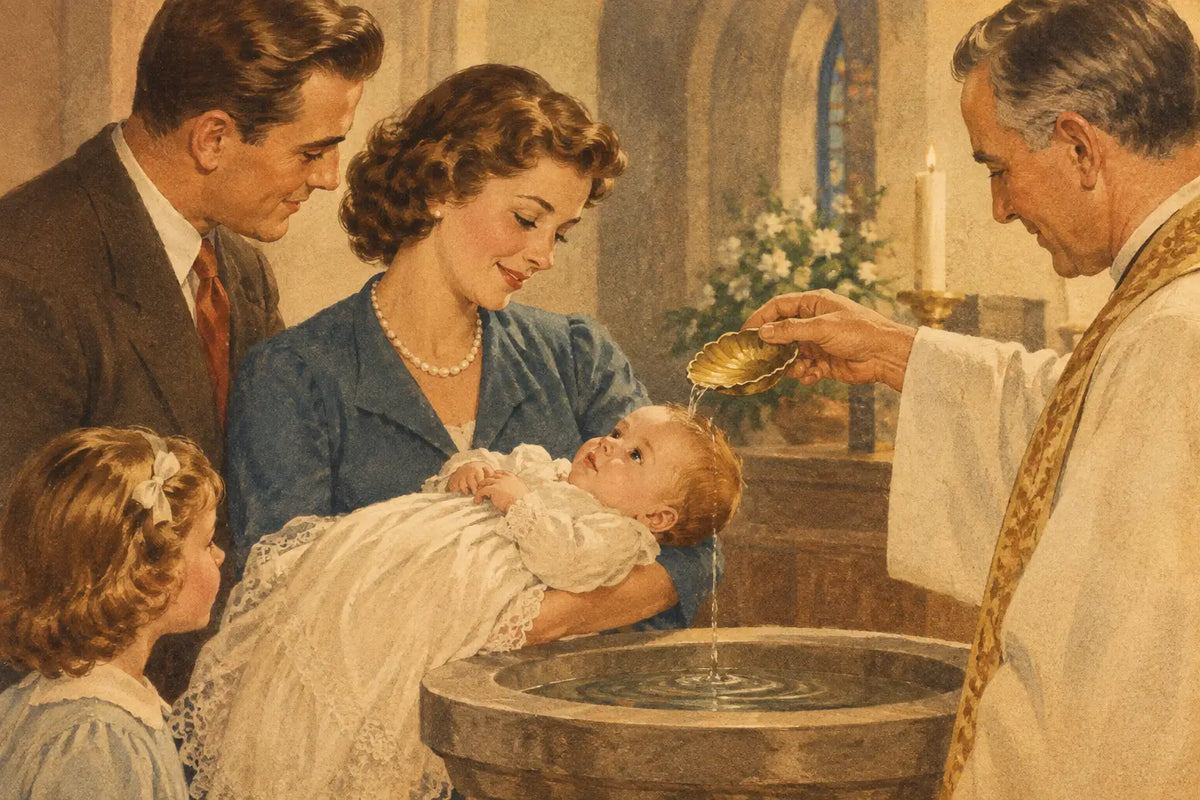
A newborn sleeping peacefully in a family heirloom gown, a toddler taking curious steps near the baptismal font, or an older child answering questions about faith can each be a beautiful picture of baptism. If you are wondering what age for christening is right for your child, the reassuring answer is that there is no single perfect age. The best timing is often the moment when your family, your church, and your heart feel ready to honor this sacred occasion.
For many Christian families, a christening is one of the earliest milestones in a child’s life. It is a gathering of faith, love, godparents, and generations who have come together to celebrate a new beginning. Whether you are planning soon after birth or waiting until your child is a little older, the meaning of the day is far more important than meeting an arbitrary timeline.
What Age for Christening Do Most Families Choose?
Many families choose to christen a baby within the first few months of life, often between birth and six months old. This timing is common in traditions that practice infant baptism, where parents and godparents make promises to guide the child in faith until they are ready to embrace those commitments themselves.
There are practical reasons this age can feel especially fitting. Babies are usually easy to hold during the service, relatives are eager to meet the new little one, and parents may appreciate marking the beginning of family life with a meaningful religious celebration. A traditional long christening gown, soft blanket, white shoes, and baptism candle also create a timeless look that photographs beautifully at this tender age.
Still, early infancy is not the only lovely choice. Some parents prefer to wait until their baby has settled into a feeding and sleep routine, particularly if the first few weeks after birth have been busy or medically complicated. Others wait for grandparents to travel, for a special feast day, or for a season when family can gather comfortably.
The Right Time Depends on Your Church Tradition
Before selecting a date, speak with the church or clergy member who will lead the service. Every denomination has its own customs and preparation requirements, and these can shape the timing more than age alone.
Catholic, Orthodox, Anglican, Lutheran, and several other Christian traditions commonly baptize infants. In these communities, a christening may take place during the first year, although local parish practices differ. Some churches hold group baptisms on designated Sundays, while others arrange a private ceremony around the family’s schedule.
Other Christian communities practice believer’s baptism, which happens when a person is old enough to understand and personally profess faith. In that setting, a family may still hold a baby dedication or blessing ceremony in infancy, then reserve baptism for later childhood, adolescence, or adulthood.
The language can differ, too. Some families use christening and baptism interchangeably, while others understand christening as the naming and welcoming celebration that accompanies baptism. Asking your priest, pastor, or minister about the expected age, paperwork, godparent requirements, and ceremony length brings clarity early in the planning process.
Choosing a Christening Age That Works for Your Family
A sacred day should feel peaceful, not rushed. If you are deciding whether to schedule your child’s christening now or a few months from now, consider your family’s comfort alongside the church’s guidance.
For a newborn, the ceremony may be short and sweet, but parents may still be recovering from delivery and adjusting to life with a baby. There is nothing wrong with giving yourselves more time. Waiting until three to six months can make travel, feeding, and hosting a small gathering feel more manageable.
For babies between six and twelve months, personality begins to shine. They may smile at familiar faces, sit with support, and wear a more structured baptism outfit with ease. On the other hand, this is also an active stage. A baby who is crawling, teething, or wary of new people may need extra comfort during the service. Pack a familiar blanket, a favorite quiet toy, and anything that helps your little one settle.
Toddlers and preschoolers can absolutely be christened as well. They may be more aware of the people around them and can often participate in simple ways, such as walking in with a parent or receiving a blessing while being held. Plan with realistic expectations: a shorter service, snacks for afterward, and an outfit that allows comfortable movement can make a great difference.
If your child is older, include them in age-appropriate conversations about the occasion. A child who understands that baptism is a special day of prayer and belonging may feel proud to choose a meaningful accessory, help select a baptism candle, or learn about the role of their godparents.
Why White Christening Attire Matters at Every Age
No matter when the baptism takes place, white remains the cherished traditional color. It represents purity, joy, new life, and the spiritual grace celebrated in the sacrament. That symbolism is just as meaningful on a three-month-old baby as it is on a child who has waited several years for the ceremony.
For young babies, a long gown offers a classic, heirloom-inspired silhouette. Delicate lace, embroidery, pintucks, and soft cotton or satin details lend a sense of occasion while preserving the gentle innocence families treasure in christening portraits. Boys may wear a traditional gown as well, or a tailored white romper, suit, or coordinated vest set.
For an older baby or child, comfort should guide the final choice. A white dress with a soft lining, a lightweight suit, or an outfit with room to move can still look elegant while helping your child feel at ease. Think about the season and church environment, too. A warm, layered piece may suit a winter christening, while breathable fabrics are often more comfortable for spring and summer services.
A coordinated blanket, bonnet, booties, socks, or religious medal can complete the look without overwhelming it. The goal is not perfection for the camera. It is to dress your child in a way that feels worthy of the moment and comfortable enough for them to be held, blessed, and celebrated.
Planning Around the Ceremony, Not Just the Calendar
Once you have selected an age and date, give yourself time to prepare the details that make the day feel personal. Churches may ask for a birth certificate, registration forms, or confirmation of godparents. Godparents may need to meet particular faith requirements, so it is wise to discuss this before invitations are sent.
Choose christening attire early enough to check sizing and make any adjustments. Babies grow quickly, especially during the first year, so avoid purchasing far in advance without considering the likely size at the ceremony. If you are ordering a handcrafted gown or a complete coordinated set, leave room for shipping time and a fitting at home.
It also helps to think beyond the service itself. Will your child need a layer for the car ride? Will the church be cool? Are there family photos before or after the baptism? A spare onesie for a baby, extra socks, wipes, and a small towel can quietly save the day. These practical touches let you focus on the prayers, promises, and people gathered around your child.
When Waiting May Be the Better Choice
There can be tender, sensible reasons to postpone a christening. A premature baby or a child with medical needs may benefit from waiting until they are stronger and more comfortable in a gathering. Parents who have recently moved, are grieving a loss, or are still searching for a church home may need additional time as well.
Waiting does not lessen the beauty or sincerity of the baptism. Faith is not measured by whether a ceremony happens at six weeks or sixteen months. If anything, choosing a date when your family can be fully present may make the experience more peaceful and memorable.
The same is true when loved ones are an important part of the day. While baptism should not be delayed indefinitely for every scheduling conflict, it can be deeply meaningful to choose a date that allows a beloved grandparent, godparent, or close family member to share in the celebration.
A Beautiful Beginning in Your Family’s Time
The answer to what age for christening is best is ultimately rooted in your family’s faith tradition, your child’s needs, and the guidance of your church. A baby wrapped in a soft white blanket, a toddler held close by a parent, or an older child standing proudly beside their godparents can all be welcomed with the same love and reverence.
Choose the day that gives your family space to be present. Let the outfit, candle, prayers, and photographs become gentle reminders of a promise made with care - and of a child surrounded by faith from the very beginning.
Share:
Baptism Preparation Tips for a Meaningful Day
Godmother Christening Attire Guide for a Graceful Look