
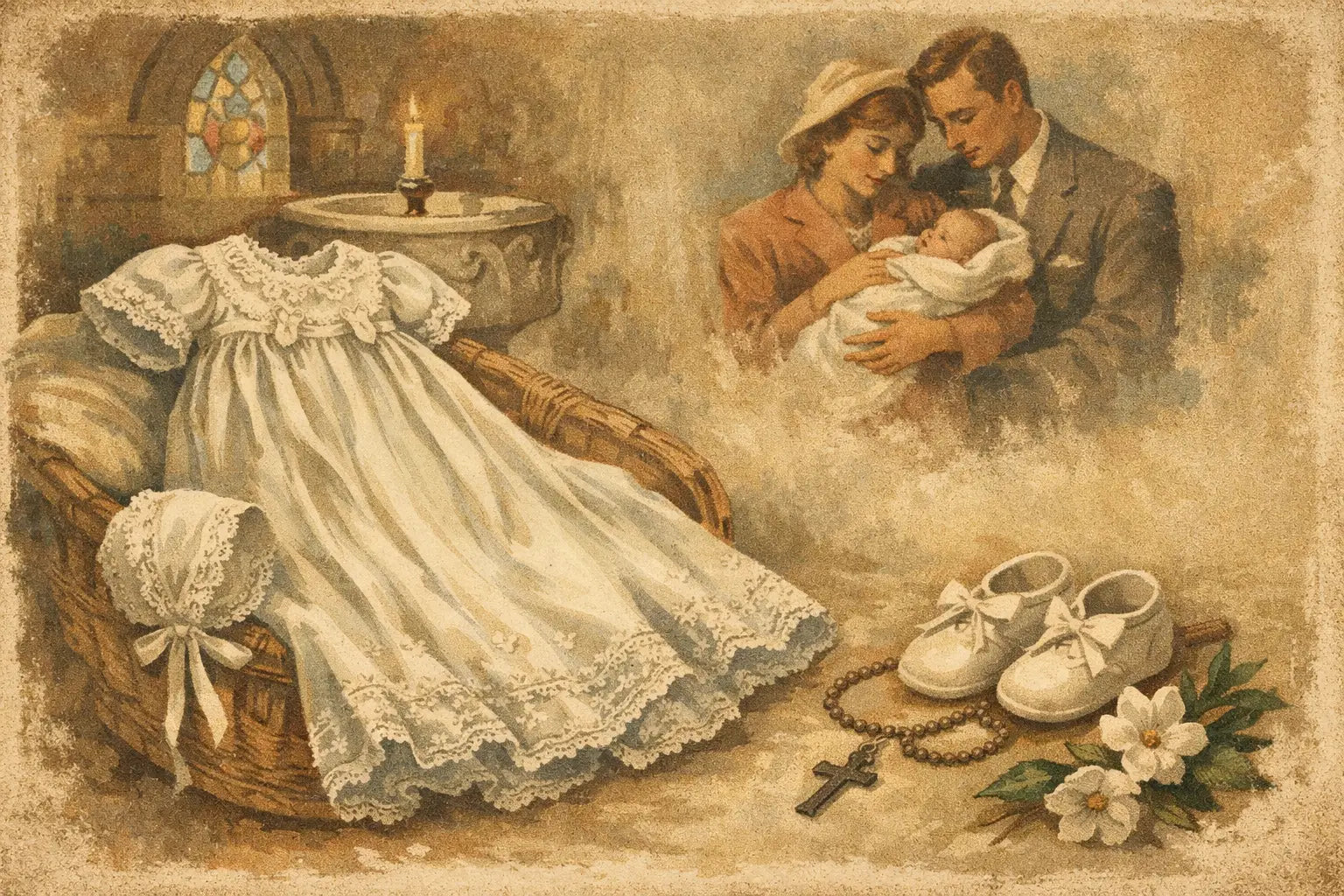
Some baby outfits are simply beautiful. A christening gown carries something more. When families ask about christening gown meaning, they are usually asking why this garment has remained so cherished for generations, and why it still feels right for such a sacred day.
At first glance, the gown may seem like a matter of tradition or formal style. But its meaning reaches deeper than appearance. A christening gown represents purity, reverence, family continuity, and the special welcome of a child into the Christian faith. It is one of those rare pieces of clothing that becomes part of both a ceremony and a memory.
The christening gown meaning in Christian tradition
In many Christian traditions, baptism or christening marks a spiritual beginning. It is a moment of grace, blessing, and belonging. The gown worn for that occasion reflects the sacred nature of the event.
The most widely recognized part of christening gown meaning is purity. White has long symbolized innocence, light, and new life. When a baby is dressed in white for baptism, the color reflects the idea of being washed clean and presented before God with a pure heart. Even for families who are not focused on every historical detail, this symbolism still feels deeply meaningful.
The gown also expresses reverence. Baptism is not an ordinary family gathering, even when the celebration afterward is joyful and relaxed. The clothing chosen for the child shows care for the moment. A finely made gown, soft fabrics, and delicate details all communicate that this day matters.
There is also a sense of dedication in the garment itself. Parents and godparents prepare thoughtfully for the ceremony, and the gown becomes part of that loving preparation. It says, in a quiet and visible way, that this child is treasured.
Why christening gowns are traditionally long
One detail many families notice is the length. Traditional christening gowns are often longer than everyday baby clothes, sometimes extending well past the feet. This is partly historical, but it also contributes to the formality and grace associated with the ceremony.
A long gown creates a timeless silhouette that has been connected to baptism attire for centuries. It gives the child an elegant, almost heirloom presence in photographs and in family memory. For many families, that length is part of what makes the outfit feel ceremonial rather than simply dressy.
Still, this is one of those areas where tradition and practicality sometimes meet. Some parents prefer a full-length gown for a formal church christening, while others choose a shorter baptism dress or tailored outfit for comfort, season, or denomination. The meaning does not disappear if the style changes. The heart of the tradition remains in the intention behind the garment.
A symbol of family heritage
For many families, the strongest christening gown meaning is tied to heritage. A gown may be handed down from one generation to the next, worn by siblings, cousins, or even a parent decades earlier. In that case, the garment becomes more than baptism clothing. It becomes a visible thread connecting family stories.
An heirloom gown often carries emotional weight that is hard to put into words. Tiny hand-sewn lace, soft embroidery, or preserved silk can remind grandparents of earlier baptisms and bring a sense of continuity to the day. Even when a gown is newly purchased, many families choose one with a classic look because they hope it will become part of their own family tradition.
This is one reason handmade details matter so much. A thoughtfully crafted gown does not just photograph beautifully. It feels worthy of keeping, preserving, and passing on. Tradition and quality in every stitch become part of the meaning.
The meaning of white, lace, and fine details
Every design detail in a christening gown can carry significance, even if families interpret that significance in their own way.
White remains the central symbol. It suggests purity, peace, holiness, and the beginning of a faith journey. Ivory is also popular, especially for families who love a softer, antique-inspired look. While some people prefer bright white for its classic symbolism, ivory can feel just as reverent and traditional.
Lace often adds a sense of delicacy and timelessness. It can reflect beauty, care, and refinement, which suit the solemn joy of baptism. Embroidery may include floral motifs, crosses, or subtle decorative patterns that make the gown feel even more special. Satin, cotton, silk, and linen each bring their own character. Some fabrics feel more formal, while others feel softer and lighter for a baby.
There is no single rule for what every detail must mean. In many families, these choices are less about strict symbolism and more about creating a look that feels respectful, elegant, and worthy of that special day.
Is a christening gown only for girls?
This is a common question, especially for first-time parents. Traditionally, long christening gowns have been worn by both baby girls and baby boys. In earlier periods, young infants were commonly dressed in gown-style garments regardless of gender, so the christening gown developed as a unisex ceremonial tradition.
Today, families have more options. Some still fall in love with the classic long gown for a boy because it honors historical custom and looks beautifully timeless. Others prefer a boys' christening outfit with a romper, pants set, vest, or tailored suit-inspired design. Both choices can be faithful to the spirit of baptism.
What matters most is not whether the outfit matches a modern fashion expectation. It is whether it feels appropriate for the ceremony, comfortable for the child, and meaningful to the family. In that sense, christening gown meaning is not limited by gender. It is rooted in the sacred occasion itself.
The gown as part of the full baptism story
A christening gown rarely stands alone in family memory. It is usually part of a larger picture that includes a baptism candle, blanket, shoes, socks, bonnet, bib, or religious medal. Together, these pieces create a complete ceremony look, but they also reflect a deeper desire to prepare well for a milestone moment.
That is why coordinated styling matters to many families. A gown paired with carefully chosen accessories does more than look polished. It helps the day feel complete. There is comfort in knowing that every detail has been considered, from the softness of the fabric to the finishing touch of a blanket for church or photos afterward.
This practical side should not be dismissed as superficial. Choosing a complete baptism look is often one way families express care, devotion, and readiness. Beauty and meaning are not in competition here. They often work together.
Choosing a gown with meaning today
For modern families, selecting the right christening gown is often a balance between symbolism, comfort, season, and personal tradition. A formal church baptism may call for a classic long gown with lace and satin details. A simpler family ceremony may feel better suited to a lightweight cotton style. If the baby is older, mobility and fit may become bigger priorities.
This is where thoughtful shopping helps. Look for materials that feel gentle against delicate skin, craftsmanship that reflects the importance of the event, and a style that fits your family's sense of tradition. Some families want an heirloom piece they can save for years. Others want a beautiful gown that honors the occasion without being overly ornate. Both are valid.
If you are choosing for a godchild, grandchild, or family member, it can help to ask what matters most to the parents. Some care most about church tradition. Others care most about comfort and a polished look in photos. Often, the best choice is the gown that brings those priorities together with grace.
A specialty retailer like Burbvus Christening understands that balance well, because families are not only shopping for clothing. They are preparing for a spiritual milestone and hoping every detail feels right when the day arrives.
Why the meaning still matters
In a time when many baby clothes are chosen for convenience, the christening gown remains meaningful because it asks families to pause. It marks a day set apart. It tells a child, even before they can understand it, that they are being welcomed with love, prayer, and intention.
That is why this tradition endures. Not because every family follows it in exactly the same way, but because the symbolism still speaks clearly. A christening gown represents purity, blessing, dignity, and family devotion. It honors faith, preserves memory, and turns a single day into something that can be remembered for a lifetime.
When you choose a christening gown, you are not only dressing a baby. You are giving visible form to a sacred moment, and that is what makes it beautiful long after the ceremony is over.
Share:
Choosing Christening Dresses for Girls
What Does a Baptism Candle Symbolize?