
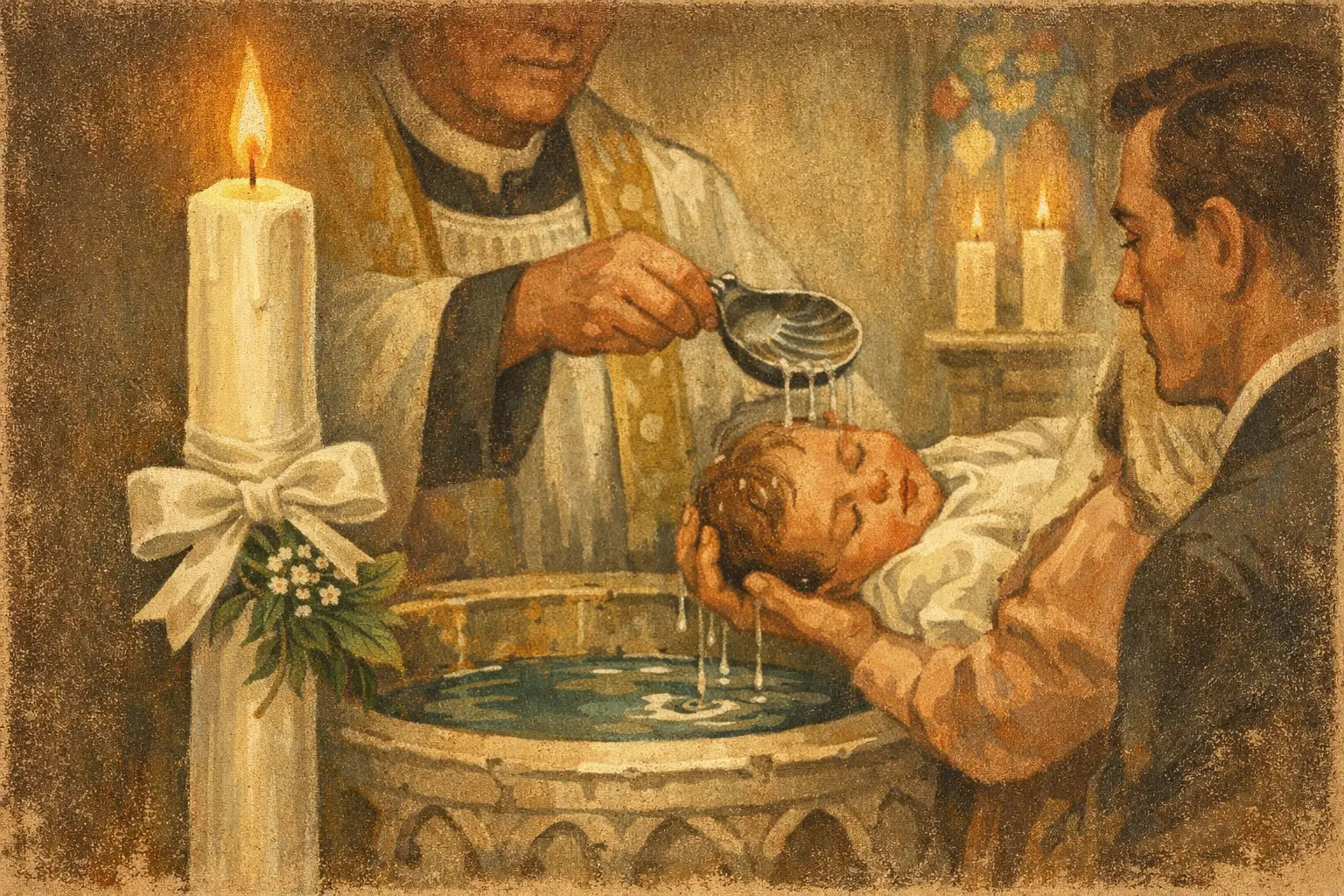
Some families find out about baptism candle requirements for church only after the outfit is chosen, the date is booked, and the godparents are confirmed. It is a small detail on paper, but on that special day, the candle often becomes one of the most meaningful symbols in the ceremony - a visible reminder of faith, prayer, and the light of Christ entrusted to a child.
That is why it helps to think about the candle early, not as an afterthought. Churches do not all follow the exact same practice, and what is acceptable in one parish may be discouraged in another. If you are planning a baptism for a baby or young child, the best approach is to balance tradition, beauty, and the specific expectations of your church.
What baptism candle requirements for church usually mean
In most cases, baptism candle requirements for church refer to a few practical and ceremonial details. The church may expect a white candle, a certain size, a drip protector, or a design that is respectful and simple rather than heavily decorative. Some parishes provide the candle themselves, while others ask the family or godparents to bring one.
The reason for these guidelines is not to make shopping harder. It is to keep the focus on the sacrament while making sure the candle can be used safely during the service. A lovely candle should feel worthy of the moment, but it also needs to function well in the church setting.
For many families, the biggest surprise is that there is no single universal rule across all denominations and parishes. Roman Catholic churches, Orthodox churches, and many Protestant congregations may all include a baptism candle, but how it is presented and what is expected can vary. Even two Catholic parishes in the same city may handle it differently.
Start with the church, not the candle
Before choosing lace trim, ribbon, or a personalized label, ask your church one direct question: do we need to bring a baptism candle, or is one provided?
That one step can save time and avoid duplicate purchases. Some churches include the candle as part of the baptism preparation process. Others allow family-provided candles but prefer a traditional look. A few may have strict rules about open flames, especially in smaller chapels or historic buildings.
If you are speaking with a parish office, baptism coordinator, or clergy member, it is helpful to ask about size, color, decoration, and whether a candle holder or drip guard is needed. You do not need a long checklist. A brief conversation usually clears up most of the uncertainty.
Common church expectations for a baptism candle
The most widely accepted choice is a white candle. White is traditionally associated with purity, new life, and the sacred nature of baptism, so it remains the safest and most appropriate option for nearly every church setting.
Many churches also prefer a candle that is modestly decorated. A cross, dove, shell, or simple gold or silver accents are usually well received because they reflect baptism symbolism without becoming distracting. Personalization with the child’s name and baptism date is often welcome, but it depends on the parish and the overall design.
Size matters more than many people expect. A candle that is too thin may burn unevenly or feel insubstantial during the ceremony. A candle that is too large may be awkward for a godparent to hold. In practice, a medium taper or a slim pillar-style baptism candle is often the most usable choice.
Safety is another common concern. Some churches prefer a drip protector, especially if the candle will be held while lit. This small feature can make a real difference when everyone is dressed in delicate christening clothing, heirloom fabrics, and formal attire. A beautiful baptism candle should never create stress during the ceremony.
When tradition and church policy are not exactly the same
This is where many families feel unsure. A grandmother may remember richly trimmed candles wrapped in satin bows. A church office may request something more restrained. Neither side is wrong - they are simply emphasizing different parts of the tradition.
Family customs matter. They carry memory, heritage, and love. But church guidelines should still lead the final decision, especially for the ceremony itself. If your family treasures an ornate keepsake candle and your parish prefers a simpler liturgical candle, one thoughtful compromise is to use the church-approved candle during the service and keep the more decorative candle as part of the celebration or photo display.
That balance often feels right. It honors the parish setting while still preserving the beauty families want for such a once-in-a-lifetime occasion.
Choosing a candle that feels meaningful and church-ready
A baptism candle does not need to be extravagant to feel special. In fact, the most elegant choices are often the most timeless. Clean white wax, refined religious symbolism, and delicate detailing usually photograph beautifully and fit naturally into the reverent tone of the day.
If you are coordinating the candle with a baby’s christening outfit, think about harmony rather than a perfect match. A candle with soft white, ivory, or subtle metallic accents pairs gracefully with traditional gowns, boys’ baptism outfits, blankets, and accessories. Too many colors or oversized embellishments can pull attention away from the child and the sacrament.
Handmade details can make the candle feel especially personal, but practicality still matters. Ribbons should be secure. Decorative elements should not interfere with lighting the wick. Personalized wraps should be neatly applied and able to withstand handling. It is worth choosing a candle made with the same care you would want in every part of the ceremony set.
Should the candle be personalized?
Personalized baptism candles are popular for good reason. A name and baptism date turn the candle into a keepsake that families often save for years, sometimes bringing it out for anniversaries, First Communion, or family prayer.
Still, personalization is one of those areas where it depends. Some churches welcome it without question. Others prefer the visible design to remain traditional and uncluttered. If the parish has no objection, personalization is usually a lovely addition, especially when it is tasteful and easy to read.
If you are unsure, keep the design simple. A child’s first name, the date, and perhaps a small cross or dove are usually enough. There is no need to crowd the candle with text to make it meaningful.
Godparents and the baptism candle
In many churches, the godparent is the one who holds or receives the candle during the rite. That practical detail can influence the type of candle you choose. It should be comfortable to hold, easy to pass, and not so heavily decorated that wax, ribbon, or ornaments become a distraction.
This is also one reason many families choose coordinated ceremony items rather than shopping piece by piece. When the candle, towel, blanket, and outfit share a consistent style, the entire presentation feels thoughtful and serene. For families who want tradition and quality in every stitch and detail, that sense of coordination matters.
Last-minute problems to avoid
The most common issue is simply waiting too long. A family may assume any white candle will do, then discover a few days before the baptism that the church requires a specific style or that they need time for personalization and delivery.
Another common mistake is choosing a candle for appearance alone. A heavily embellished candle may look lovely in a product photo but prove difficult to light or hold. On a day filled with emotion, photographs, and family attention, simpler often feels calmer.
Packaging is worth considering too. Once the ceremony is over, most families want to preserve the candle as a keepsake. A candle that comes ready to store safely is often the better long-term choice.
A graceful way to shop for the right one
If you want the process to feel easier, start with three filters: church approval, symbolism, and style. First make sure the candle fits your parish’s expectations. Then choose a design that reflects the sacred meaning of baptism. After that, look for the visual details that coordinate with the rest of your celebration.
This order matters. It keeps the candle grounded in faith first, then beauty. For a family preparing for such an important day, that is usually the clearest path to a purchase you feel confident about.
At Burbvus Christening, many families are looking not just for a candle, but for a complete and elegant ceremony look that feels worthy of the occasion. When every piece is chosen with care, the result is not only beautiful in photos - it feels peaceful in the moment itself.
A baptism candle may be small enough to hold in one hand, but it carries a lasting message. If you choose one with reverence, simplicity, and your church’s guidance in mind, it becomes more than an accessory. It becomes part of the memory your family will treasure long after that special day has passed.
Share:
Best Baptism Outfits for Winter
12 Top Baptism Gifts From Godparents